Congratulations to Ilaria CASCONE and José COHEN for obtaining funding from the ARC Foundation, and to Meoin HAGEGE, CEPIA team, recent winner of the HEAL junior professorship at UPEC.
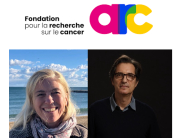 Congratulations to José COHEN and Ilaria CASCONE, from the I-BIOT team, who have just secured €575,000 in funding from the ARC Foundation as part of the PANCREAS call for projects.
Ilaria CASCONE: “This funding is very important to us because it illustrates the complementary nature of the team’s various areas of research and expertise in immunology/immunotherapy and pancreatic cancer, which was recently highlighted in a publication in JITC. This project is part of a resolutely translational approach, with our work aimed at transforming fundamental discoveries into innovative therapeutic strategies to improve the care and prognosis of patients with pancreatic cancer. It will enable us to continue and strengthen our links with (i) Eliane PIAGGIO’s team at the Institut Curie in its areas of expertise (NGS, scRNAseq, TCRseq, scATACSeq, and spatial transcriptomics) and (ii) Jérôme Cros’ team at Beaujon Hospital, which is heavily involved in building patient cohorts and studying the heterogeneity of pancreatic tumors using cutting-edge imaging technologies. Beyond that, we are driven by our conviction that this research will have a significant impact on the treatment of this cancer in the future.”
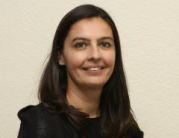 Congratulations to Meoïn HAGEGE, recent recipient of the UPEC HEAL junior professorship in health social sciences.
Meoïn HAGEGE will begin work on the chair in early January 2026. A health sociologist, she will carry out her teaching project at the Faculty of Health and her scientific project within two research teams, the Cepia team at the Mondor Institute and LIRTES (UPEC).
Meoïn HAGEGE: “For the past ten years, I have been working to better understand the experiences of illness and the work of healthcare teams caring for so-called vulnerable populations. I approach these issues from a longitudinal perspective, focusing on the interrelated effects of social factors and relationships. To do this, I use data collected through a combination of methods, including comprehensive interviews, observation, and questionnaires. I conduct fieldwork in the Ile-de-France region and overseas territories (Reunion and Mayotte), starting with hospitals and moving on to institutional, associative, and informal healthcare actors, in multidisciplinary collaboration with epidemiologists and clinicians.
My scientific project questions the idea of cancer as a major biographical rupture. In light of medical advances, social welfare coverage, and destigmatization, it analyzes how cancer today produces continuities and discontinuities in life trajectories. Falling within the field of life course sociology and health social sciences, it combines a review of the literature, biographical interviews with people who have had cancer, interviews with key players in oncology, and mixed analyses. Preliminary results suggest that, for many patients, cancer is more of a fork in the road than a complete break, with social, professional, and family roles potentially being maintained.

Incoming seminars
HIV-1 env glycoprotein as a vaccine target: from traditional approaches to ai-based protein design :
«Yoann ALDON - 12:00 p.m. – Module M0011, Faculty of Health»
Duchenne Muscular Dystrophy drives T Cell remodeling :
«Yvan TORRENTE - 10.00 am – BRB Conference Room»
Risk of Herpes Zoster among Patients with Immune-Mediated Inflammatory Diseases Initiating Biologic or Targeted Synthetic Therapies: A Nationwide Cohort Study :
«Mounya ABBOUD - 1:00 p.m. – ZOOM webinar»