Congratulations to Jimena TOSELLO-BOARI, José COHEN’s team, for obtaining funding from the ARC foundation, to Fred RELAIX’s team selected for the MUSCLOR-OC project, and to Caroline PILON, José COHEN’s team, winner of the junior professorship in Computational Immunology.
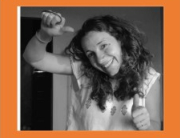 Congratulations to Jimena TOSELLO-BOARI, José Cohen’s team, for obtaining €70,000 in funding from the ARC Foundation (PJA 2026) for the project “TCR-guided spatial repositioning of allogeneic T cells to improve leukemia eradication and reduce immune toxicity.”
Jimena TOSELLO-BOARI: “Our team is committed to a resolutely translational approach that ranges from the development of early-phase clinical trials to very fundamental questions. We are interested here in hematopoietic stem cell transplantation in the treatment of acute myeloid leukemia. The immunological interest of this type of transplant is that it simultaneously mobilizes different modes of T-cell recognition and activation that will guide the patient’s clinical progression either toward a powerful anti-leukemic effect and recovery, or toward the development of a major complication, graft-versus-host disease, in which the healthy tissues of the transplant patient are targeted. Using cutting-edge technologies (RNA and TCR sequencing, CRISPR-Cas9 gene editing, advanced imaging) combined with the analysis of samples from transplant patients, we seek to identify and modulate the mechanisms that direct T cells towards leukemic cells or healthy tissues. The goal is to identify predictive biomarkers and develop new therapeutic strategies to improve clinical outcomes while reducing immune side effects. This project could pave the way for innovative clinical trials and personalized immunotherapies applicable to other cancers and autoimmune diseases.”
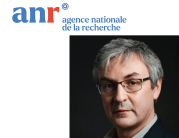 Congratulations to Frédéric RELAIX’s team, selected for the MUSCLOR-oC project.
Frédéric RELAIX’s team, “Biology of the Neuromuscular System – MUSE,” has just been selected for the MUSCLOR-oC project on AO PEPR Med-OoC – Organs and Organoids on a Chip as part of the France 2030 plan by the French National Research Agency.
This project sets out very clear objectives and verifiable hypotheses concerning the creation of a new-generation human skeletal muscle chip that integrates both neuromuscular junctions (NMJ) and myotendinous junctions (MTJ). It validates its relevance in diseases such as Duchenne muscular dystrophy (DMD) and spinal muscular atrophy (SMA) using hiPSCs derived from patients and healthy primary skeletal muscle stem cells.
The €2.3 million grant will be shared between four teams from UPEC (€920k), Sorbonne University, the CEA in Grenoble, and the IGBMC in Strasbourg.
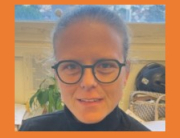 Congratulations to Caroline PILON, recent recipient of the Junior Professorship in Computational Immunology
Caroline PILON took up her post on January 1, 2026. She will develop her teaching projects within the Faculty of Health and her research projects within the I-Biot team led by José COHEN.
Caroline PILON: “I initially hold a PhD in immunology and am primarily interested in the modulation of the immune response in different pathological contexts. Six years ago, I felt the need to shift towards ‘big data’ in order to expand my analytical capabilities and, above all, my understanding of the immune response in all its complexity. So I took several courses, and now I can’t see my research any other way than through an approach that combines experimentation, which I still love, with omics technologies and their analysis. I also realized how few training courses there are dedicated to computational immunology. That’s my university project, which will be aimed primarily at students with a high level of training.”

Incoming seminars
HIV-1 env glycoprotein as a vaccine target: from traditional approaches to ai-based protein design :
«Yoann ALDON - 12:00 p.m. – Module M0011, Faculty of Health»
Duchenne Muscular Dystrophy drives T Cell remodeling :
«Yvan TORRENTE - 10.00 am – BRB Conference Room»
Risk of Herpes Zoster among Patients with Immune-Mediated Inflammatory Diseases Initiating Biologic or Targeted Synthetic Therapies: A Nationwide Cohort Study :
«Mounya ABBOUD - 1:00 p.m. – ZOOM webinar»